
Helping Your Child Through Separation Anxiety in Swim Lessons
Separation anxiety is a normal part of early childhood, especially for infants and toddlers. While it’s often a passing phase, there are moments when separation is necessary, and starting swim lessons can be one of them.
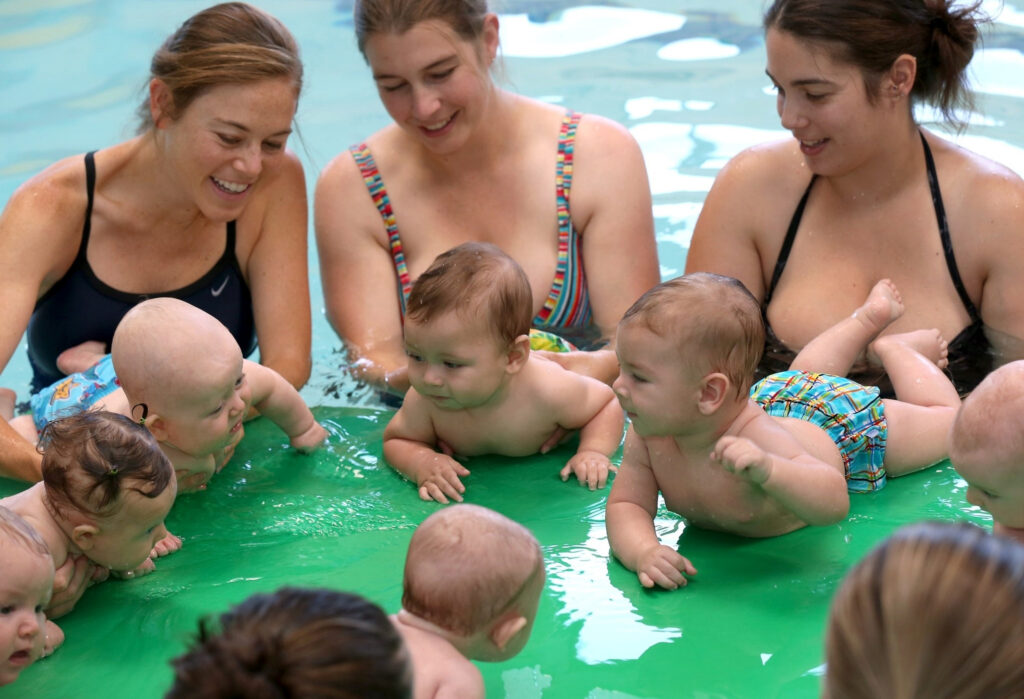
For children under age three, caregivers are always in the water during lessons. For older toddlers and preschoolers, learning to swim may involve short, supported separations as they build trust with their instructor. That transition can feel emotional for both kids and parents.
The good news is that separation anxiety is common, expected, and manageable. With the right approach and the right program, most children adjust quickly and go on to thrive in the water.
Below are practical, parent-tested tips to help ease the transition.
First, what’s age-appropriate?
Understanding what separation looks like by age can help set realistic expectations.
- Infants and young toddlers (under 3): Parents or caregivers are in the water. Separation is not expected at this stage. Lessons focus on comfort, bonding, and water acclimation.
- Toddlers around 3: Short, gradual transitions may begin once a child shows comfort and readiness. Parents often stay nearby and visible.
- Preschool and beginner levels: Children work more independently with instructors, with parents observing poolside. Brief tears can happen but usually fade as confidence grows.
1. Give yourself plenty of time
This tip is for parents first.
Arriving early on lesson days, especially the first few, helps everyone stay calm. Build in extra time to:
-
Complete paperwork
-
Change into swimsuits
-
Let your child explore the space
When parents feel rushed or stressed, kids often pick up on that energy. A calm start sets the tone for a calmer lesson.
2. Know that crying is normal
Crying during early lessons does not mean swim lessons aren’t working.
For many children, crying is simply how they communicate:
-
“This is new.”
-
“I’m unsure.”
-
“I miss you.”
It does not mean they are unsafe or unhappy long-term. Trained instructors expect this and focus on building trust, connection, and positive experiences right away.
Most children settle once they realize they are capable, supported, and having fun.
3. Bonding takes time, and that’s okay
It often takes two to three lessons for children to feel fully comfortable with a new instructor and routine.
In parent-supported toddler levels, caregivers stay in the water initially. As confidence grows, instructors gradually take the lead. If a child needs more time:
-
Lessons may include extra acclimation
-
Play-based circuits help build comfort
-
No one is rushed before they are ready
The goal is confidence, not speed.
4. Bring something familiar if needed
A familiar item can be comforting in a new environment.
Depending on your child, this might include:
-
A small lovey or blanket
-
A favorite toy used briefly before class
-
A simple reward after class
Every child is different. What matters is helping them associate swim lessons with safety and success.
5. Sometimes less eye contact helps
This one surprises many parents.
For some children, making eye contact during moments of hesitation can actually reinforce anxiety. Staying nearby but letting the instructor take the lead allows your child to:
-
Look to the instructor for reassurance
-
Focus on activities instead of emotions
-
Build independence and trust
Often, kids become so engaged in splashing and play that they forget they were upset at all.
When parents worry more than kids
It’s completely normal for parents to feel emotional during early lessons, especially in toddler and beginner classes. But brief tears do not mean failure.
What matters is consistency. Quitting too early can prevent children from gaining confidence in the water and in themselves.
Swim lessons help children learn an essential life skill, one that supports safety, independence, and confidence at every age.
Ready to get started, or try again?
If separation anxiety has been holding you back, you’re not alone. The right program, pace, and support can make all the difference.
👉 Explore parent-and-baby swim lessons
👉 Find toddler and beginner programs by age
👉 Schedule a swim evaluation or first lesson
With patience, consistency, and a caring instructional team, most children move from hesitation to confidence faster than parents expect.
Common FAQs
Is separation anxiety normal during swim lessons?
Yes. It’s common, especially for toddlers and first-time swimmers. Most children adjust within a few lessons.
Do parents stay in the water for infant swim lessons?
Yes. Caregivers are in the water with children under age three.
What if my child cries every lesson?
Crying typically decreases as children build trust with instructors and become familiar with the routine. Consistency is key.
Should I stop lessons if my child is upset?
Brief upset is normal. Instructors adjust pacing and support as needed to help children feel safe and successful.

