
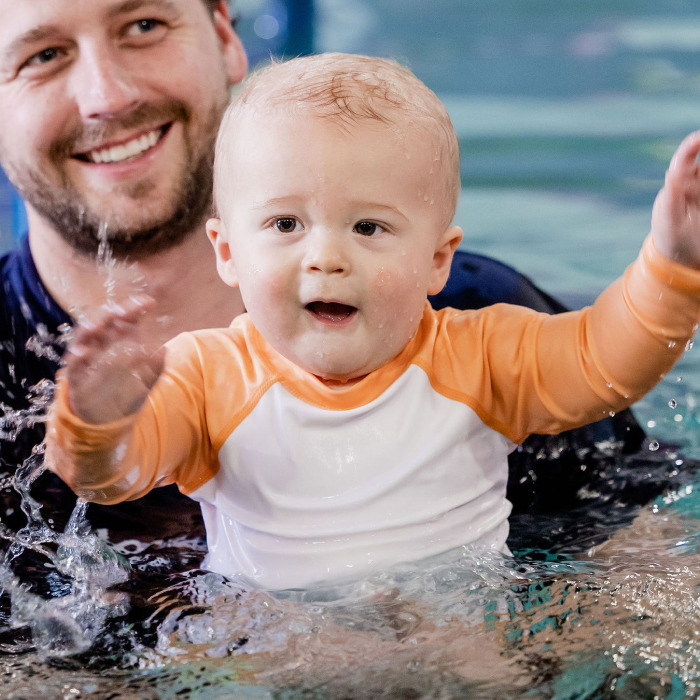
Vacation Water Safety: 10 Smart Ways to Keep Your Family Safer This Summer
Getting ready for your upcoming summer vacation? Whether you’re headed to a pool, lake, or beach, water safety should be part of your travel planning, just like sunscreen and swimsuits.
Your bags may be packed and your hotel booked, but have you talked through a water-safety plan with your family? Accidents can happen quickly, and drowning remains the leading cause of unintentional death for children ages 1–4. Preparation matters.
Below are ten practical, family-friendly guidelines to help you build a strong water-safety plan before you leave home. These tips work together and apply across many water environments. The goal is simple, help everyone enjoy the water more safely.
Build a Water-Safety Plan With These 10 Guidelines
1. Set Clear Expectations Before You Leave
Before the trip begins, talk through water rules as a family. Clear expectations reduce confusion in the moment.
For kids:
-
Never enter any body of water without an adult present.
-
Follow pool, beach, or lake rules every time, even if friends are doing something different.
For adults:
-
Decide who is supervising and when.
-
Plan Water Watcher shifts in advance so responsibility is clear and shared.
Clear communication upfront helps prevent risky assumptions later.
2. Evaluate Water Competency Honestly
Water competency goes beyond simply knowing how to swim. According to guidance from the CDC, staying safer around water requires a combination of water awareness, basic swimming skills, and strong supervision. Families should be able to recognize risks, respond quickly, and know how to get help when needed.
In practical terms, water competency includes understanding water conditions, having the ability to move safely in the water, and knowing what to do if someone is in trouble.
Before your trip, take time to honestly assess water readiness across three key areas:
Water awareness
-
Can you recognize hazards like rip currents, drop-offs, or changing conditions?
-
Do you know what types of water environments you will encounter and what risks they may present?
Swimming skills
-
Can each family member safely enter the water and resurface?
-
How far can they comfortably swim in different environments, such as a pool versus a lake or ocean?
Knowing how to get help
-
Can children recognize when someone is struggling in the water?
-
Do they know how to loudly call for help and immediately find an adult?
Children and weaker swimmers should never be left unattended in or around water. An adult should always be within arm’s reach, a practice often referred to as touch supervision.
3. Take Swim Lessons Before Vacation
Formal swim lessons save lives. Research shows that swim lessons can reduce drowning risk by up to 88 percent for young children.
Lessons do not make someone “drown-proof,” but they build confidence, awareness, and foundational skills that matter in real-world situations.
This is why short-term swim clinics or refresher lessons before summer trips are so valuable. Even experienced swimmers benefit from brushing up on skills like floating, safe entries, and treading water.
4. Use Water Watchers, Even With Lifeguards
-
No phones
-
No alcohol
-
No multitasking
Even when lifeguards are present, a Water Watcher is essential, especially for younger children or less confident swimmers.
Best practices:
-
Rotate Water Watchers every 10–15 minutes.
-
Use a visible reminder like a card, bracelet, or whistle.
-
Make sure Water Watchers know how to alert others in an emergency and understand basic rescue priorities.
5. Teach Situational Awareness
Situational awareness means understanding your surroundings and how quickly conditions can change.
Water environments are dynamic. Weather shifts, crowds grow, visibility changes, and fatigue sets in. Kids and adults should regularly pause and reassess:
-
Where are the exits?
-
Where is the supervising adult?
-
Has the water condition changed since we got in?
This mindset helps families react faster when something feels off.
6. Evaluate Each Body of Water
-
Is there a lifeguard on duty?
-
Is there an emergency phone or reliable cell service?
-
Are rescue tools like rings or buoys nearby?
-
Can you clearly see your children from where you’re sitting?
Also check basics like shade, hydration, and proper flotation gear. Life jackets should be Coast Guard approved and properly fitted.
7. Create a Simple Emergency Action Plan
An Emergency Action Plan does not need to be complicated, just clear.
Your family plan should cover:
-
Signs of a distressed or drowning swimmer
-
Who rescues, who calls for help, and who manages other children
-
Where emergency equipment is located
-
Local emergency numbers and AED locations
Organizations like USA Swimming provide strong examples of aquatic emergency action plans that families can adapt.
8. Get CPR Certified
CPR can save lives when seconds matter. Administering CPR to an unresponsive drowning victim can significantly improve outcomes by restoring oxygen flow.
At least one adult in your group should be CPR certified, ideally more. Courses are widely available and often take just a few hours.
Never perform CPR on someone who has a pulse.
9. Pack the Right Safety Gear
Not all flotation devices are created equal. Arm floaties and inflatable toys do not prevent drowning and can give a false sense of security.
Instead, pack:
-
Coast Guard-approved life jackets
-
Sunscreen and sun protection
-
Water and easy energy snacks
-
Weather-appropriate swimwear and footwear
Proper gear supports safer, longer days around the water.
10. Practice Touch Supervision at All Times
If you need to step away, take your child with you, even if a lifeguard is present.
Stay Fueled to Stay Alert
Hunger and dehydration affect focus and judgment, for adults and kids alike. Plan regular snack and water breaks throughout the day to keep everyone alert and regulated.
A nourished body supports quicker reactions and better decision-making.
Ready for a Safer Summer?
Water safety starts before you arrive at the pool, lake, or beach. With clear expectations, strong supervision, and foundational swim skills, families can reduce risk and enjoy the water with more confidence.
Have fun, stay aware, and enjoy your time together around the water.

