When Should My Child Start Swim Lessons?
As a parent, one of the most valuable gifts you can give your child is the ability to swim. Swimming is not only fun, it is a critical life skill that supports safety, confidence, and lifelong comfort around water.
A common question families ask is, “When should I start swim lessons for my child?”
The good news is, there is no single right age. Swim lessons can begin as early as 2 months old, and the right starting point depends on your child’s age, development, and comfort level.
Swimming also supports early brain development, balance, coordination, muscle strength, and motor skills, making it beneficial well beyond water safety alone.
The best age to start swim lessons, by stage
Emler Swim School offers age-appropriate programs from infancy through school age and beyond. Below is a simple breakdown to help parents understand what swim lessons look like at each stage.
Infants, around 2 to 5 months
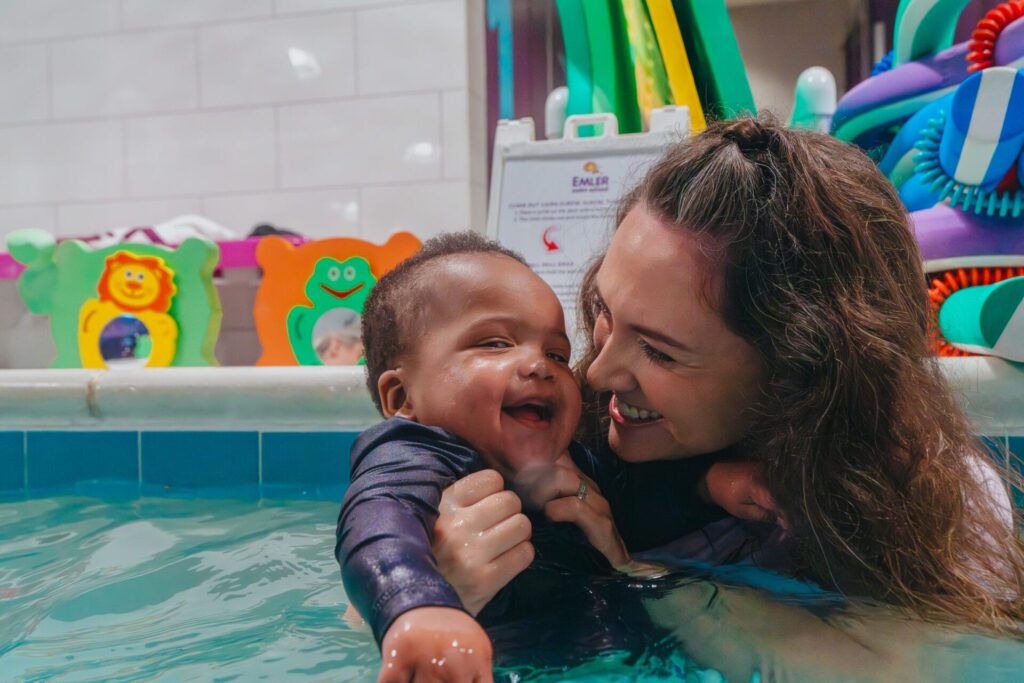
Bathtime Babies
These parent-and-baby classes focus on:
-
Water comfort and positive association
-
Safe holds and support techniques for parents
-
Gentle movement and sensory exposure
At this age, lessons are about familiarity and trust, not independent swimming. Parents are always in the water.
👉 Parent-and-baby swim classes
Toddlers, around 6 to 35 months
Levels 1 and 2
Toddlers begin learning foundational water safety skills, including:
-
Floating on the back
-
Kicking and basic propulsion
-
Turning back to the wall
-
Safe entry and exit habits
-
Breath control for short durations
Parents remain in the water during all or part of these lessons, depending on the level. Consistency is especially important at this stage.
Preschoolers, around 3 years old
Levels 3, 4, and 5
At this stage, children gain more independence in the water and focus on:
-
Face-in kicking for longer distances
-
Independent back floating
-
Rollover breathing
-
“Jump, Turn, Swim” self-rescue skills
These skills are critical for real-world water safety and confidence.
Ages 4 and up
Levels 6 and 7
These levels are ideal for children who are new to swimming at an older age or continuing from earlier lessons.
Focus areas include:
-
Freestyle arms and back float
-
Longer face-in swimming distances
-
Breath control and rollover breathing
-
Continued mastery of “Jump, Turn, Swim”
No prerequisites are required, making this a great entry point for older beginners.
Ages 5 and up
Levels 8 and 9
Children at this stage work on:
-
Freestyle and elementary backstroke
-
Swimming longer distances
-
Treading water
-
Side breathing and stroke refinement
These levels focus on endurance, technique, and confidence.
Ages 6 and up
Levels 10 and 11 and Swim Team Prep
Advanced swimmers refine strokes and begin learning butterfly. Upon completion, swimmers may be ready for Swim Team Prep, which builds speed, endurance, and competitive skills while maintaining a strong safety foundation.
👉 Advanced lessons or swim team programs
Benefits of starting swim lessons early
Starting swim lessons early offers meaningful, lasting benefits:
-
Improved water safety through early exposure to floating, turning, and self-rescue skills
-
Stronger motor development, balance, and coordination
-
Increased confidence and reduced fear around water
-
Bonding opportunities in parent-and-child classes
Early exposure helps children view water as familiar rather than intimidating.
Tips for starting swim lessons successfully
-
Choose the right swim school
Look for age-appropriate instruction, low student-to-teacher ratios, parent visibility, and a strong focus on safety. -
Start with parent-and-child lessons when appropriate
These provide comfort and reassurance for both parent and child. -
Be patient
Progress looks different for every child. Celebrate small wins. -
Attend consistently
Regular lessons help children retain skills and build confidence. -
Keep it fun
Games, songs, and positive reinforcement make learning stick.
Water safety beyond lessons
Swim lessons are only one layer of protection. At home, families should also:
-
Supervise children at all times near water
-
Secure home pools with four-sided fencing and self-latching gates
-
Drain tubs and buckets immediately after use
-
Learn CPR and emergency response basics
Frequently asked questions
What is the best age to start swim lessons?
Children can start as early as 2 months old. The right time depends on developmental readiness and family goals.
Are swim lessons safe for babies?
Yes, when taught by trained instructors using age-appropriate methods with parents in the water.
How often should my child attend lessons?
Weekly lessons are recommended for steady progress. Consistency matters more than speed.
How do I know which level my child should start in?
A swim evaluation helps determine the best starting point based on comfort and skill level.
Ready to get started?
Whether your child is just being introduced to the water or ready to build independent swimming skills, the best next step is a swim evaluation or trial lesson.
Call to schedule a first lesson or free trial
👉 Explore age-based swim programs
Starting at the right time, with the right support, sets your child up for a lifetime of confidence and safety in the water.

